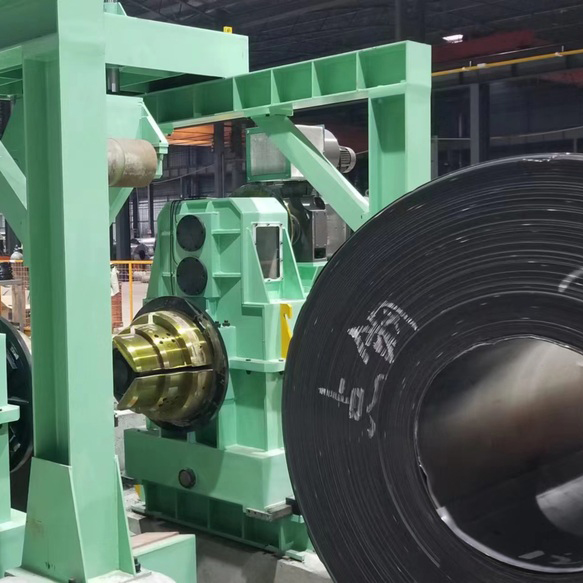
The metal fabrication industry continues to evolve as manufacturers seek higher productivity, greater precision, and improved resource efficiency. In response to these growing demands, a new generation of high-precision metal cutting machines is entering the market, offering significant improvements in processing speed, cutting accuracy, and material utilization. These advanced systems are helping fabricators increase output while reducing production costs and minimizing waste, making them an essential investment for modern manufacturing operations.
As industries such as automotive, aerospace, construction, home appliances, renewable energy, and heavy equipment manufacturing demand increasingly complex metal components, traditional cutting methods often struggle to balance speed, precision, and efficiency. The latest high-precision metal cutting machines address these challenges through innovative engineering, intelligent control systems, and optimized cutting technologies.
Meeting the Growing Demand for Precision Manufacturing
Manufacturers today face intense competition and rising customer expectations. Product designs have become more complex, tolerances are tighter, and production schedules are shorter than ever before.
Metal processing companies must deliver components that meet strict quality requirements while maintaining profitability. This has increased the demand for cutting equipment capable of producing highly accurate parts without sacrificing throughput.
The new high-precision metal cutting machine has been specifically developed to address these challenges. Combining advanced motion control technology, intelligent automation, and enhanced cutting performance, the system delivers superior results across a wide range of metal processing applications.
Whether cutting carbon steel, stainless steel, aluminum, galvanized sheet, copper, or other specialty alloys, the machine maintains exceptional consistency and accuracy throughout the production process.
Higher Cutting Speeds Increase Productivity
One of the most significant advantages of the new machine is its ability to achieve faster processing speeds while maintaining excellent cut quality.
Traditional cutting equipment often requires operators to compromise between speed and precision. Higher cutting speeds can lead to poor edge quality, dimensional inaccuracies, or excessive heat-affected zones.
The new system eliminates these limitations through advanced servo control systems, optimized cutting algorithms, and high-performance drive technology.
Key productivity improvements include:
- Faster acceleration and deceleration
- Higher positioning accuracy
- Reduced idle movement time
- Optimized tool paths
- Shorter cycle times
These enhancements enable manufacturers to process more material in less time, significantly increasing production capacity.
For high-volume fabrication facilities, even small reductions in cutting cycle times can result in substantial annual productivity gains.
The improved efficiency allows manufacturers to meet tight delivery schedules while reducing overall operating costs.
Exceptional Cutting Accuracy and Surface Quality
Precision remains a critical factor in modern metal fabrication.
The new cutting machine incorporates advanced guidance systems and intelligent motion control technology to ensure accurate and repeatable performance.
Key precision features include:
- High-rigidity machine structure
- Precision linear guide rails
- Advanced CNC control systems
- Automatic calibration functions
- Real-time monitoring and compensation
These technologies enable the machine to achieve highly accurate cuts with minimal deviation, even during long production runs.
Superior cutting accuracy offers several advantages:
- Improved part consistency
- Reduced secondary processing
- Better assembly fit
- Enhanced product quality
- Lower rejection rates
In industries where dimensional accuracy directly impacts product performance and safety, these improvements provide significant value.
Additionally, cleaner cut edges reduce the need for grinding, deburring, or finishing operations, further improving manufacturing efficiency.
Reduced Material Waste Through Intelligent Nesting
Material costs represent a major portion of production expenses in metal fabrication operations.
Reducing scrap and maximizing material utilization are therefore critical objectives for manufacturers seeking greater profitability.
The new high-precision cutting machine incorporates intelligent nesting software that optimizes part layouts automatically.
By analyzing component geometry and sheet dimensions, the software generates cutting patterns that maximize material usage while minimizing leftover scrap.
Benefits include:
- Higher material utilization rates
- Lower raw material consumption
- Reduced waste disposal costs
- Improved production efficiency
- Greater sustainability
For manufacturers processing large quantities of metal sheets, coils, or plates, even small improvements in nesting efficiency can generate significant cost savings over time.
The software can also automatically adjust cutting strategies based on production requirements, ensuring consistent optimization across different jobs and materials.
Advanced Automation Simplifies Operation
Automation has become a key driver of productivity in modern manufacturing environments.
The new cutting machine integrates a variety of automation features designed to reduce operator workload and improve production consistency.
These include:
- Automatic material loading systems
- Automated unloading mechanisms
- Intelligent tool management
- Real-time process monitoring
- Production scheduling integration
Operators can quickly set up production jobs using user-friendly interfaces, reducing training requirements and minimizing the potential for human error.
The machine continuously monitors operating conditions and automatically adjusts cutting parameters to maintain optimal performance.
This level of automation not only improves productivity but also helps manufacturers address skilled labor shortages by simplifying machine operation.
Enhanced Energy Efficiency
In addition to productivity improvements, energy efficiency has become an increasingly important consideration for manufacturers.
Rising electricity costs and environmental regulations are driving demand for equipment that consumes fewer resources while maintaining high performance.
The new machine incorporates several energy-saving technologies, including:
- High-efficiency servo motors
- Intelligent power management systems
- Optimized cutting algorithms
- Reduced idle energy consumption
- Smart standby functions
These features help lower overall operating costs while supporting corporate sustainability initiatives.
By reducing energy consumption and minimizing material waste, manufacturers can achieve both economic and environmental benefits.
Smart Monitoring and Industry 4.0 Connectivity
Digital transformation is reshaping manufacturing operations worldwide, and the latest cutting machines are designed to support smart factory environments.
The new system features Industry 4.0-ready connectivity, allowing seamless integration with production management software and factory automation platforms.
Real-time monitoring capabilities provide valuable information on:
- Machine performance
- Production status
- Material consumption
- Maintenance requirements
- Equipment utilization
Managers can access operational data through centralized dashboards, enabling informed decision-making and improved resource allocation.
Predictive maintenance functions analyze machine conditions continuously, identifying potential issues before they lead to unexpected downtime.
This proactive approach improves equipment reliability and extends machine lifespan.
Applications Across Multiple Industries
The versatility of the new high-precision cutting machine makes it suitable for a wide range of industrial sectors.
Common applications include:
Automotive Manufacturing
Automotive suppliers require precise metal components with consistent quality and tight tolerances. The machine supports high-volume production while maintaining exceptional accuracy.
Aerospace Components
Aerospace manufacturers demand extremely precise cutting for lightweight alloys and specialized materials. Advanced control systems ensure compliance with stringent industry requirements.
Construction and Architectural Metalwork
Fabricators producing structural components, façade systems, and decorative metal panels benefit from improved cutting quality and faster production speeds.
Electrical Equipment and Appliances
Manufacturers of electrical enclosures, cabinets, and appliance components can achieve greater efficiency and material utilization.
Renewable Energy Equipment
The machine supports the production of components used in solar energy systems, wind power installations, and energy storage equipment.
Supporting Sustainable Manufacturing
Sustainability has become a strategic priority throughout the manufacturing sector.
The new high-precision cutting machine contributes to environmental goals by reducing waste generation, lowering energy consumption, and improving resource efficiency.
Key sustainability benefits include:
- Reduced scrap production
- Lower raw material usage
- Improved energy efficiency
- Extended equipment lifespan
- Decreased environmental impact
As manufacturers work toward carbon reduction targets and sustainable production practices, advanced cutting technologies play an increasingly important role.
Looking Ahead
The introduction of this new high-precision metal cutting machine represents another important step in the evolution of modern fabrication technology. By combining faster processing speeds, exceptional cutting accuracy, intelligent automation, and reduced material waste, the system addresses many of the challenges faced by today’s manufacturers.
As competition continues to intensify across global markets, companies must invest in technologies that improve productivity while controlling costs. High-precision cutting equipment offers a practical solution by maximizing output, minimizing waste, and enhancing product quality.
With its advanced capabilities and future-ready design, the new machine provides manufacturers with the tools needed to remain competitive in an increasingly demanding industrial landscape. As digitalization, automation, and sustainability continue to shape the future of manufacturing, high-precision metal cutting technology will remain a critical driver of operational excellence and long-term growth.