In the realms of modern architecture, interior design, and high-end product manufacturing, there exists a continuous pursuit of materials that are not only functionally superior but also artistically transformative. Standing at this intersection is a remarkable product category defined by the technical descriptor: “304 316 430 410 Mirror Stamped 3D Design Metal Sheet Cold Rolled…
In the realms of modern architecture, interior design, and high-end product manufacturing, there exists a continuous pursuit of materials that are not only functionally superior but also artistically transformative. Standing at this intersection is a remarkable product category defined by the technical descriptor: “304 316 430 410 Mirror Stamped 3D Design Metal Sheet Cold Rolled Water Ripple Stainless Steel Decorative Sheet AISI ASTM.” This string of codes and terms unveils a world of sophisticated material science, where the cold precision of industrial manufacturing gives birth to surfaces of captivating warmth and dynamism. This is the story of a material that is as much about engineering as it is about emotion.
Decoding the Title: A Symphony of Science and Specification
To truly appreciate this material, one must first decipher its name, which is a concise data sheet in itself.
- AISI/ASTM 304, 316, 430, 410: These numbers refer to the specific grades of stainless steel. This is the first and most critical differentiator.
- Grade 304: The most common and versatile stainless steel, known for its excellent corrosion resistance and formability. It is the workhorse for most interior decorative applications, from elevator lobbies to kitchen backsplashes.
- Grade 316: Often called “marine-grade” stainless, it contains molybdenum, granting it superior resistance to chlorides and corrosive environments. It is the choice for coastal buildings, exterior facades, and harsh industrial settings.
- Grades 430 & 410: These are ferritic and martensitic grades, respectively. They offer good corrosion resistance in mild atmospheres and are often more cost-effective. Grade 410, being harder, is also used for its structural properties. The choice of grade ensures the right balance of durability, corrosion resistance, and budget for every project.
- Cold Rolled: This manufacturing process involves passing the steel through rollers at room temperature. Unlike hot rolling, cold rolling produces a sheet with a smoother surface, tighter tolerances, higher strength, and a superior finish. It is the essential preparatory step that creates the perfect, uniform canvas for the subsequent artistic processes.
- Mirror Finish: Before any pattern is applied, the steel sheet is polished to a high-gloss, reflective mirror finish. This is not merely a aesthetic choice; it amplifies light, creates a sense of space, and provides a pristine base that makes the stamped design pop with clarity and depth.
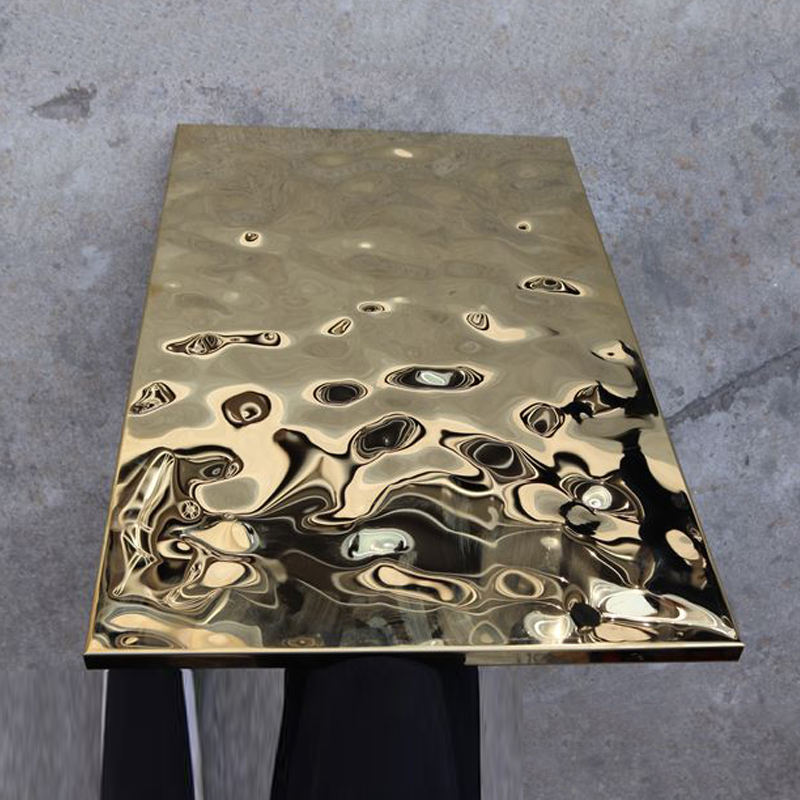
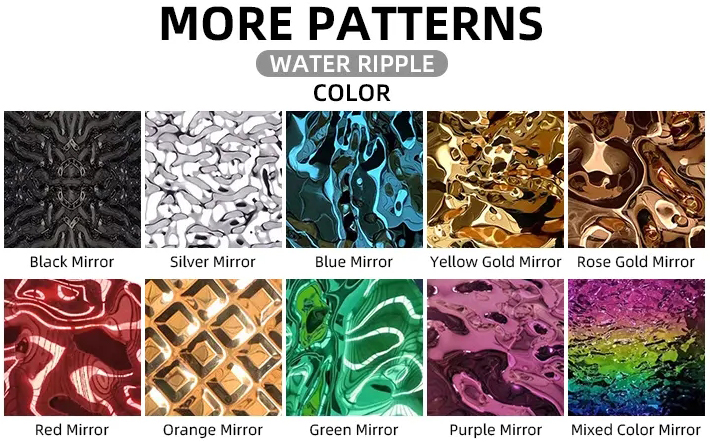
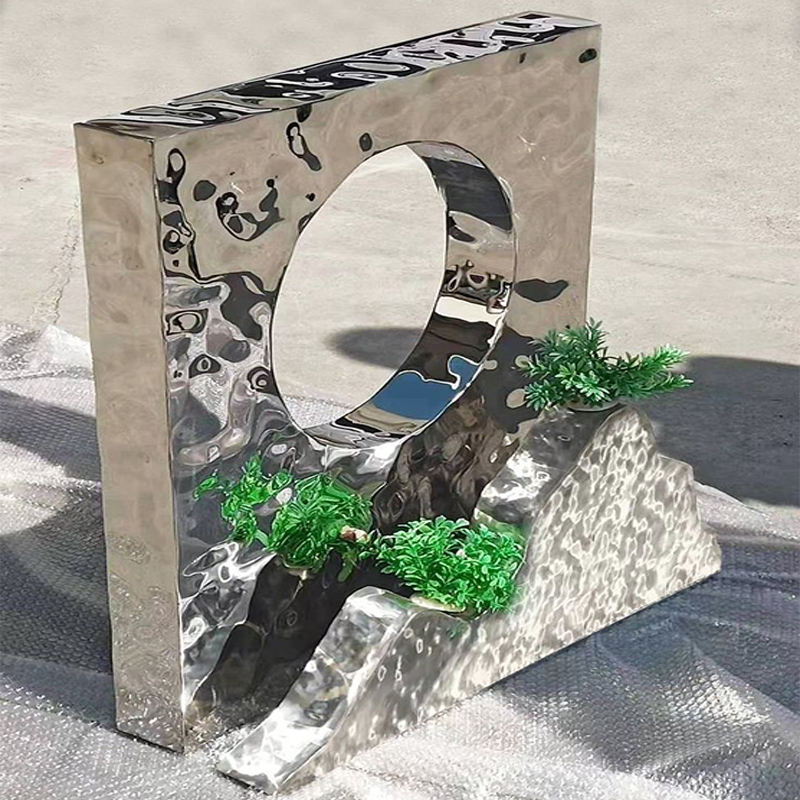
- Stamped 3D Design / Water Ripple: This is the heart of the material’s aesthetic appeal. Using advanced stamping presses and custom-designed rollers, the 2D mirror surface is embossed with a permanent, intricate three-dimensional pattern. The “Water Ripple” design is a quintessential example, creating an undulating surface that mimics the gentle, organic movement of water disturbed by a pebble. This process transforms a flat, reflective plane into a tactile, ever-changing canvas that interacts dynamically with light and perspective.
The Transformative Power of Light and Perception
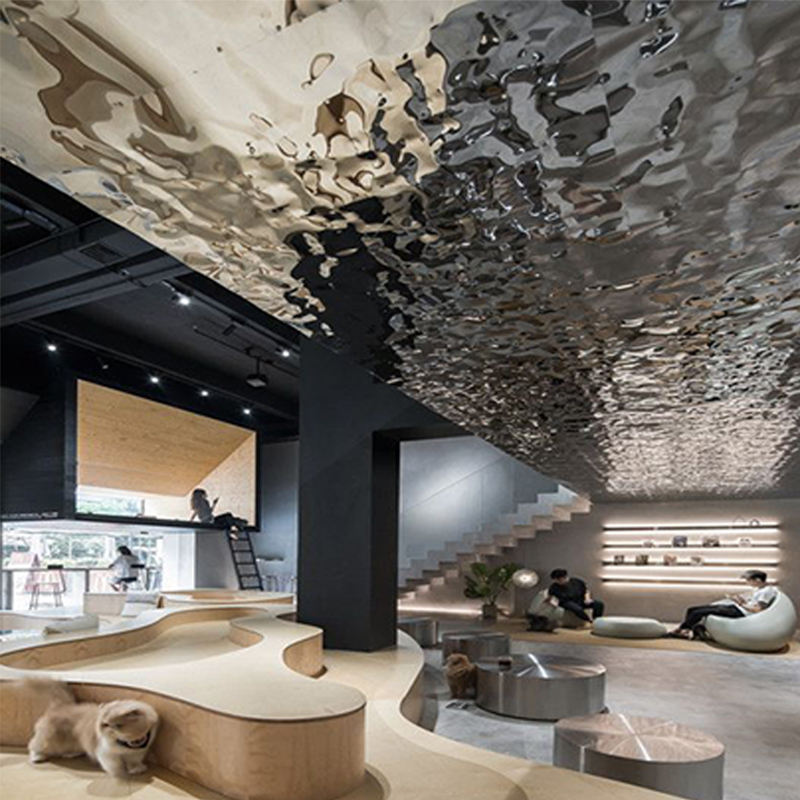
The true magic of this metal sheet lies in its interaction with light. A flat mirror surface offers a single, static reflection. A water ripple stainless steel sheet, however, deconstructs and recomposes light. As light strikes the countless micro-facets of the 3D pattern, it is reflected, refracted, and scattered in a multitude of directions. The result is a surface that shimmers and dances.
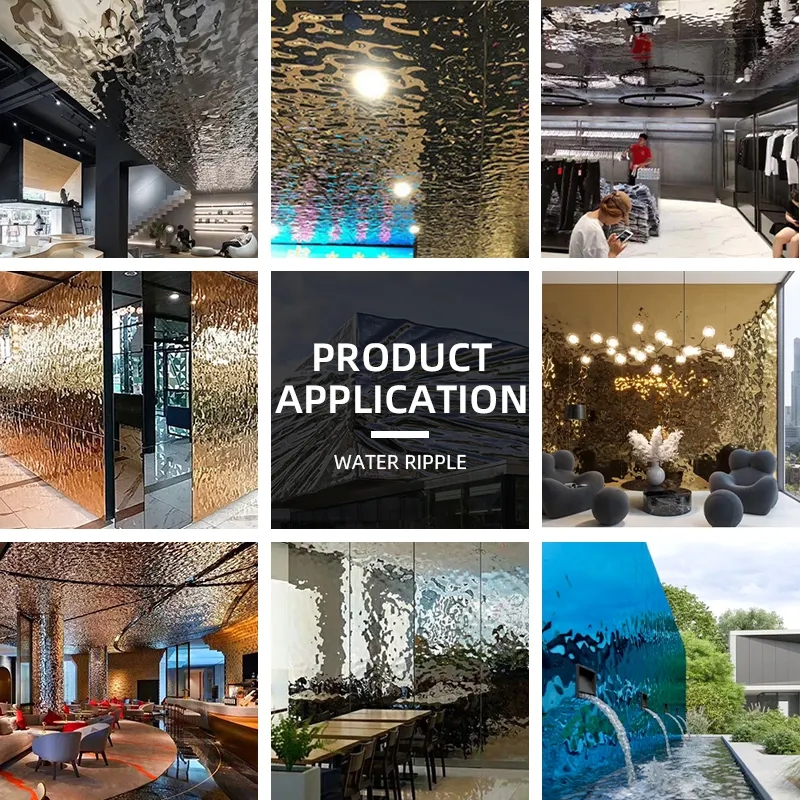
As an observer moves past it, the reflections shift and morph, creating a living, kinetic art piece. In a sunlit atrium, it can cast mesmerizing wave-like patterns on walls and ceilings. Under artificial spotlights, it glitters with a sophisticated, subdued sparkle. This ability to manipulate light makes it an powerful tool for designers seeking to break the monotony of large spaces, add movement to static walls, and create a focal point that is both grand and subtly nuanced.
Applications: From Corporate Walls to Bespoke Furniture
The versatility of this material is nearly limitless. Its applications span across various industries:
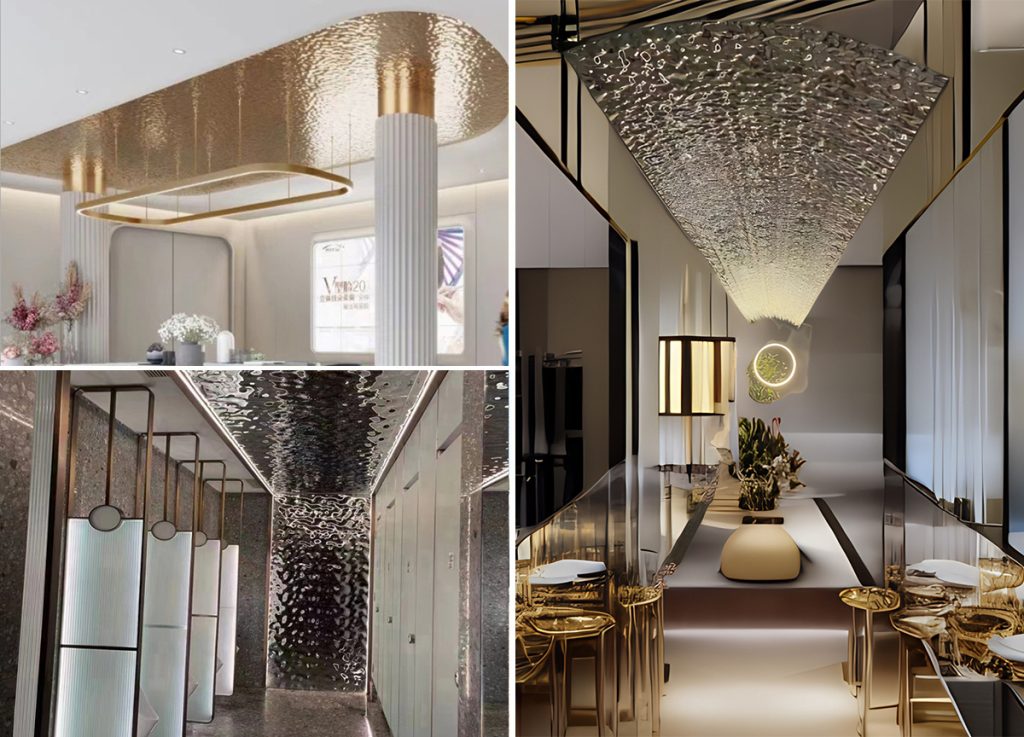
- Architectural Cladding & Interiors: It is used to create stunning feature walls in corporate lobbies, luxury hotels, and high-end retail stores. Elevator interiors, column covers, and ceiling panels clad in this material instantly elevate the space, conveying a sense of innovation and luxury.
- Art and Sculpture: Artists and sculptors utilize these sheets to create pieces that change with the time of day and the viewer’s position. The material itself becomes a collaborator in the artistic process.
- Furniture and Fixtures: From the front of a boutique bar to the base of a designer table, these sheets add a textural, modern element. They are used in kitchen backsplashes, range hoods, and custom cabinetry, bringing a fluid, organic contrast to the hard lines of a contemporary kitchen.
- Consumer Electronics and Automotive: In more specialized applications, the material finds its way into accent panels for high-fidelity audio equipment or as decorative inlays in luxury automobiles, offering a unique alternative to wood or carbon fiber.
Conclusion: More Than Just a Sheet of Metal
The product encapsulated by the technical title “304 316 430 410 Mirror Stamped 3D Design Metal Sheet…” is far more than the sum of its parts. It represents a perfect marriage between the rigorous standards of metallurgy, governed by AISI and ASTM, and the boundless creativity of design. It is a material that appeals to both the intellect and the senses.