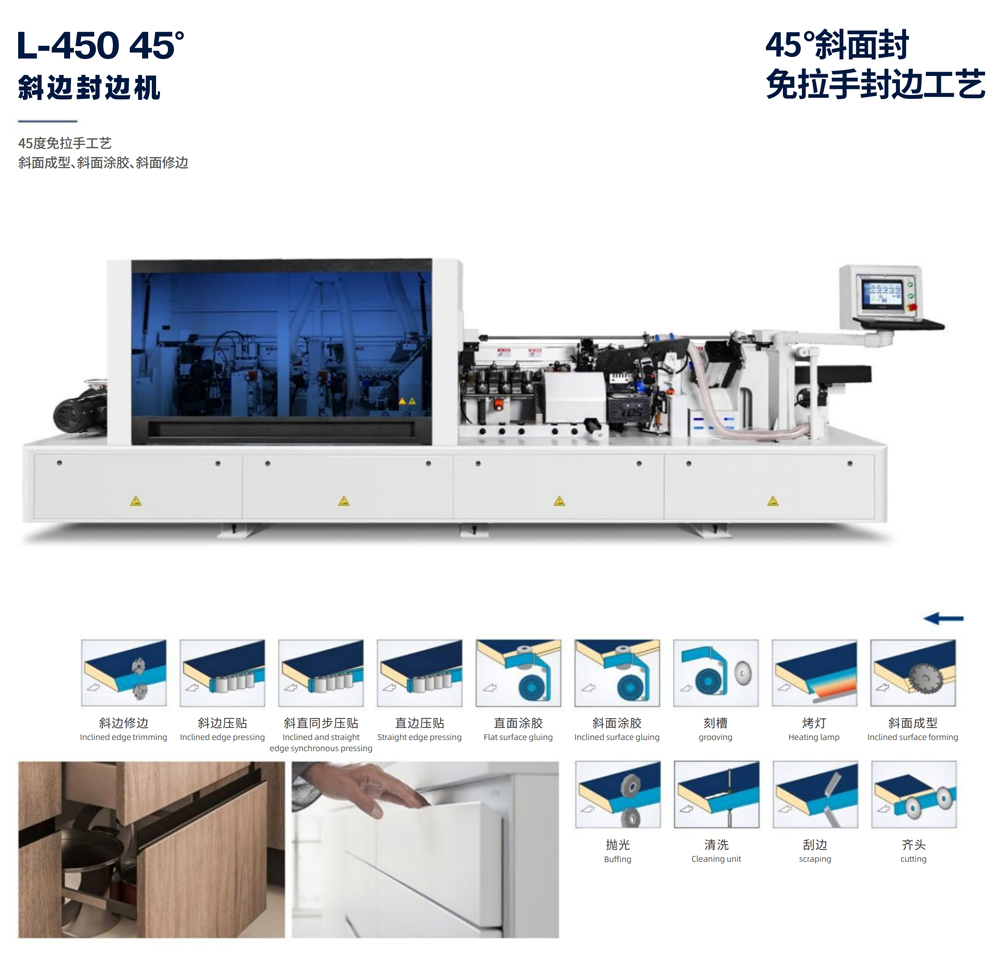
Choosing an Aluminum Furniture Machine Manufacturer is an important step when establishing or upgrading an aluminum furniture production facility. The machine itself is only one part of the investment. Manufacturing experience, engineering capability, customization, software integration, installation, and after-sales support can all affect the long-term performance of the production system.
What Does an Aluminum Furniture Machine Manufacturer Provide?
A professional manufacturer may provide individual machines or complete production solutions.
Typical equipment includes:
- Aluminum profile cutting machines
- CNC drilling machines
- Aluminum profile machining centers
- Milling machines
- Punching machines
- Panel processing machines
- Assembly equipment
- Automatic production lines
Some manufacturers can also provide factory layout planning and customized production solutions.
Evaluate Manufacturing Capability
The first factor buyers should investigate is actual manufacturing capability.
A supplier should be able to explain how its machines are manufactured, tested, assembled, and inspected.
Important areas include mechanical structure, CNC control, electrical components, machining accuracy, safety systems, and machine testing.
Factory visits or detailed production videos can provide additional information when purchasing high-value equipment.
Check Technical Experience
Aluminum furniture manufacturing has specific requirements.
The supplier should understand aluminum profile cutting, drilling, milling, furniture hardware, cabinet structures, and production workflows.
A general CNC machine supplier may not provide the same application knowledge as a manufacturer experienced with aluminum furniture.
Buyers should ask for examples of similar projects and machine configurations.
Customization Capability
Furniture production is often customized.
A manufacturer may need special profile dimensions, different drilling patterns, customized fixtures, automatic feeding, or integration with existing equipment.
A capable Aluminum Furniture Machine Manufacturer should be able to discuss these requirements before preparing a quotation.
Production Capacity
For complete production lines, machine capacity must match the customer’s expected output.
Suppliers should provide technical information such as:
- Processing speed
- Cutting capacity
- Machining accuracy
- Maximum profile dimensions
- Maximum panel size
- Cycle time
- Recommended staffing
- Daily production capacity
Production capacity should be evaluated using clearly defined product and operating conditions rather than a generic maximum number.
Software and Automation
Modern aluminum furniture factories increasingly rely on digital production.
Buyers should check whether the equipment supports CAD/CAM workflows, barcode identification, production data transfer, and other digital systems.
For larger projects, MES or ERP integration may also be considered.
Installation and After-Sales Service
Installation is particularly important for complete production lines.
The supplier should provide installation instructions, commissioning support, operator training, maintenance documentation, and spare-parts information.
For international buyers, remote technical support and video troubleshooting can also be valuable.
Questions to Ask a Manufacturer
Before placing an order, buyers can ask:
- What aluminum profiles can the machine process?
- What are the maximum machining dimensions?
- What production capacity can be achieved?
- Which CNC controller is used?
- What software is included?
- Can the machine be customized?
- What installation support is provided?
- What spare parts are recommended?
- How are machines tested before shipment?
- Can the supplier provide a complete production line?
These questions help buyers compare suppliers based on technical requirements rather than price alone.
Manufacturer vs Trading Company
A direct manufacturer may provide greater access to engineering and customization information because the company controls machine production.
However, buyers should verify manufacturing claims rather than relying only on company descriptions.
Factory certifications, production facilities, technical documentation, customer references, machine testing records, and after-sales procedures can provide useful evidence.
Conclusion
Selecting an Aluminum Furniture Machine Manufacturer requires evaluating both machinery and supplier capabilities. Buyers should examine manufacturing experience, customization, CNC technology, production capacity, software, installation, spare parts, and technical support.
For a complete aluminum furniture factory, the supplier’s ability to engineer and integrate multiple machines may be as important as the specifications of any individual machine.