Investing in an Aluminum Honeycomb Panel Line is a major decision for manufacturers looking to enter or expand in the lightweight composite panel industry. Aluminum honeycomb panels are widely used in architectural curtain walls, interior decoration, transportation, marine engineering, elevators, clean rooms, and industrial equipment due to their excellent strength-to-weight ratio, fire resistance, and durability.
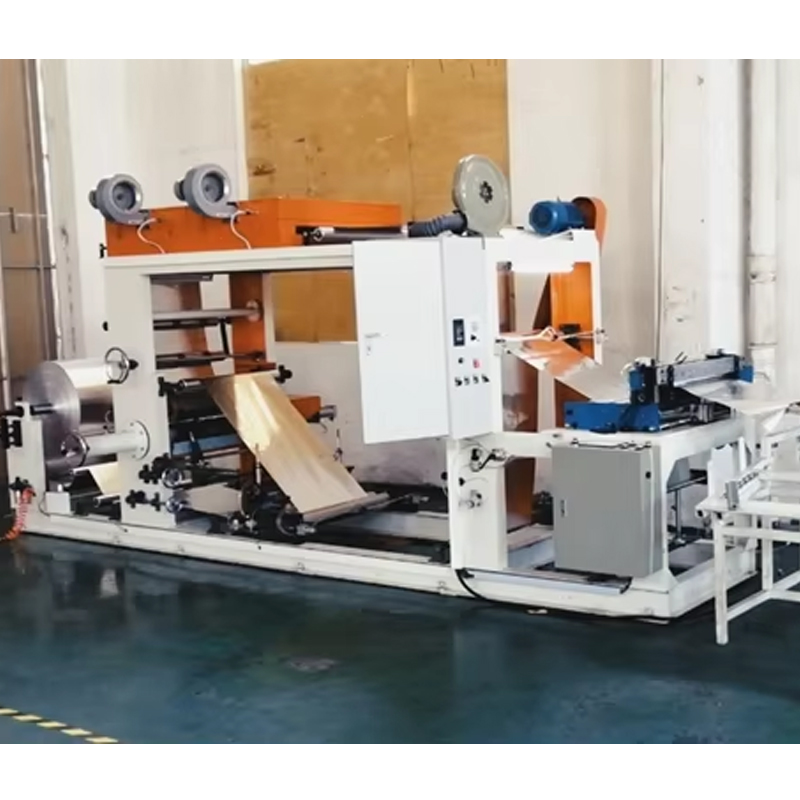
One of the first questions buyers ask is: How much does an Aluminum Honeycomb Panel Production Line cost? The answer depends on several factors, including production capacity, automation level, equipment configuration, factory requirements, and customization.
This guide breaks down the major cost components and explains how to evaluate the return on investment (ROI) before purchasing a production line.
What Determines the Price of an Aluminum Honeycomb Panel Line?
There is no fixed price for an Aluminum Honeycomb Panel Line because every project is customized to meet different production needs. The following factors have the greatest impact on the total investment.
1. Production Capacity
Production capacity is one of the biggest cost drivers.
Typical factory capacities include:
| Factory Type | Daily Output |
|---|---|
| Small Factory | 200–500 panels |
| Medium Factory | 500–1,500 panels |
| Large Factory | 1,500–3,000+ panels |
Higher-capacity lines require larger presses, faster conveyors, additional automation, and more sophisticated control systems, resulting in higher equipment costs.
2. Automation Level
Automation significantly influences both the purchase price and long-term operating costs.
Semi-Automatic Line
- Lower initial investment
- More manual labor
- Flexible for small batches
- Suitable for startups
Fully Automatic Line
- Higher production efficiency
- Lower labor costs
- Better product consistency
- Continuous production capability
- Intelligent PLC control
Although automatic lines require greater upfront investment, they usually reduce production costs over time.
3. Equipment Configuration
A complete production line consists of multiple machines. The number and specification of these machines determine the final quotation.
Typical equipment includes:
- Aluminum coil feeding system
- Honeycomb core expansion machine
- Adhesive coating machine
- Laminating machine
- Hot press system
- Cooling section
- Edge trimming machine
- CNC cutting machine
- Automatic stacking system
- PLC control cabinet
Additional equipment such as robotic handling systems, automatic inspection, or MES integration will further increase the investment.
Cost Breakdown of an Aluminum Honeycomb Panel Factory
The production line itself is only part of the total investment. Buyers should also consider the following costs:
| Investment Item | Description |
| Production Equipment | Main manufacturing machines |
| Factory Building | Workshop and production space |
| Electrical Installation | Power distribution and wiring |
| Air Compressor System | Pneumatic equipment support |
| Material Handling Equipment | Forklifts and conveyors |
| Raw Materials | Aluminum sheets, honeycomb cores, adhesives |
| Installation & Commissioning | Equipment setup and testing |
| Operator Training | Technical and safety training |
| Spare Parts | Initial maintenance inventory |
| Quality Inspection Equipment | Testing instruments |
A comprehensive investment plan helps avoid unexpected expenses during factory setup.
Factors That Influence Operating Costs
After installation, daily operating expenses become the key factor affecting profitability.
Major operating costs include:
Labor
Automatic production lines reduce the number of operators required, lowering long-term labor expenses.
Energy Consumption
Electricity is consumed by hot presses, hydraulic systems, conveyors, and CNC machines. Energy-efficient motors and intelligent control systems can significantly reduce power usage.
Raw Materials
Material costs often account for the largest share of production expenses. Optimizing cutting layouts and minimizing waste improves profitability.
Maintenance
Routine maintenance, lubrication, calibration, and replacement of wear parts help prevent unexpected downtime and costly repairs.
How to Calculate Return on Investment (ROI)
Evaluating ROI is essential before purchasing a production line.
The following factors directly affect investment recovery:
- Annual production capacity
- Equipment utilization rate
- Selling price of finished panels
- Raw material costs
- Labor expenses
- Energy consumption
- Equipment maintenance costs
- Market demand
A production line operating at high utilization with stable orders generally achieves a much faster payback period than one running below capacity.
Why a Higher Initial Investment Can Reduce Overall Costs
Many buyers focus only on the purchase price, but the lowest-priced production line is not always the most economical choice.
A high-quality production line offers advantages such as:
- Higher production speed
- Lower defect rates
- Reduced adhesive waste
- Improved panel flatness
- Better bonding strength
- Lower maintenance frequency
- Longer equipment lifespan
These benefits reduce manufacturing costs over many years of operation and improve customer satisfaction through consistent product quality.
Hidden Costs Buyers Often Overlook
When planning a new factory, several expenses are frequently underestimated.
Common hidden costs include:
- Factory layout modifications
- Foundation construction
- Utility connections
- Dust collection systems
- Safety equipment
- Environmental compliance
- Production downtime during installation
- Employee training
- Spare parts inventory
Including these items in the investment budget helps prevent delays and unexpected financial pressure.
Tips for Reducing Investment Costs
Manufacturers can control costs without compromising production quality by following several best practices:
- Select production capacity based on actual demand.
- Choose modular equipment that can be upgraded later.
- Purchase from experienced manufacturers with reliable technical support.
- Use energy-efficient machinery to lower operating expenses.
- Optimize factory layout to improve workflow.
- Implement preventive maintenance programs to avoid costly breakdowns.
A balanced investment strategy often delivers better long-term profitability than simply choosing the lowest-priced equipment.
Questions to Ask Before Requesting a Quotation
To receive an accurate quotation, prepare the following information for the equipment supplier:
- Required panel width and length
- Panel thickness range
- Annual production target
- Preferred automation level
- Factory dimensions
- Available power supply
- Types of aluminum sheets and honeycomb cores
- Planned applications (building, marine, transportation, etc.)
- Special customization requirements
Providing detailed production requirements allows suppliers to recommend the most suitable configuration and prepare a precise cost estimate.
Conclusion
The price of an Aluminum Honeycomb Panel Line depends on much more than the equipment itself. Production capacity, automation level, machine configuration, factory infrastructure, and operating costs all contribute to the total investment.
Instead of choosing equipment based solely on the lowest purchase price, manufacturers should evaluate the total cost of ownership, expected production efficiency, maintenance requirements, and long-term return on investment. A well-designed production line can deliver higher output, consistent product quality, lower operating costs, and stronger competitiveness in the growing global aluminum honeycomb panel market.
By carefully analyzing both initial investment and long-term ROI, manufacturers can make informed purchasing decisions that support sustainable business growth and maximize profitability.