The sheet metal manufacturing industry is experiencing rapid transformation as businesses seek higher production efficiency, greater precision, and lower operating costs. To remain competitive in today’s demanding market, manufacturers are increasingly investing in automated production technologies that streamline operations and maximize output. Among the most significant advancements is the development of innovative automatic metal cutting lines, which are revolutionizing the way sheet metal is processed across various industries.
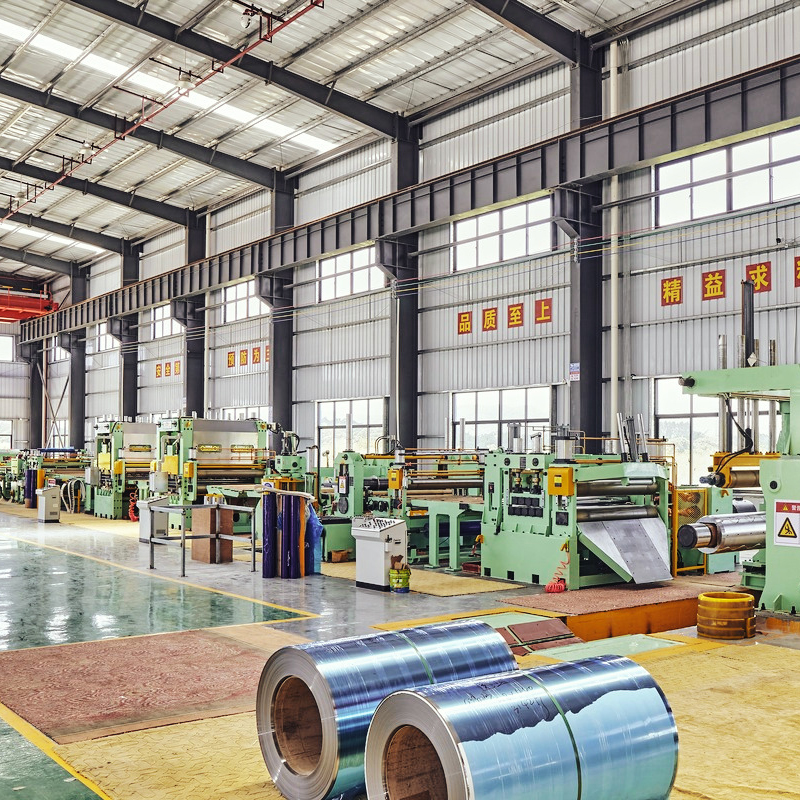
Designed to deliver high-speed, accurate, and continuous production, modern automatic metal cutting lines integrate advanced automation, intelligent controls, and precision engineering. These systems help manufacturers improve productivity, reduce labor dependency, minimize material waste, and maintain consistent product quality, making them an essential component of modern sheet metal processing facilities.
Rising Demand for Automated Sheet Metal Processing
As industries such as automotive, construction, electrical equipment, home appliances, renewable energy, and industrial manufacturing continue to expand, the demand for high-quality sheet metal components has increased significantly.
Traditional cutting operations often rely on manual handling, multiple production stages, and extensive operator involvement. While these methods can be effective for low-volume production, they may limit efficiency and increase production costs in high-volume manufacturing environments.
Manufacturers today face several challenges, including:
- Rising labor costs
- Increasing material prices
- Shorter delivery schedules
- Higher quality standards
- Growing market competition
To address these challenges, companies are turning to automatic metal cutting lines that combine cutting, feeding, leveling, measuring, and material handling into a single integrated production system.
What Is an Automatic Metal Cutting Line?
An automatic metal cutting line is a fully integrated production system designed to process metal coils, sheets, or strips with minimal operator intervention.
The line typically consists of several interconnected components, including:
- Coil loading systems
- Decoilers
- Straightening machines
- Feeding units
- Precision cutting equipment
- Stacking systems
- Automated control systems
Material is automatically fed through the production line, processed according to programmed specifications, and delivered as finished sheets or cut parts ready for downstream manufacturing operations.
This seamless workflow significantly improves production efficiency while reducing manual handling and operational complexity.
High-Speed Processing Increases Production Capacity
One of the primary advantages of modern automatic cutting lines is their ability to achieve high production speeds without compromising accuracy.
Advanced servo-driven feeding systems ensure precise material positioning while enabling continuous operation.
Compared with conventional cutting methods, automatic cutting lines offer:
- Faster material feeding
- Reduced setup times
- Continuous production capability
- Improved throughput
- Higher equipment utilization
The integration of intelligent motion control technology allows the system to optimize cutting sequences and minimize idle time between operations.
As a result, manufacturers can process larger production volumes within shorter timeframes, improving overall factory productivity.
For businesses serving high-demand industries, increased production capacity directly contributes to greater profitability and customer satisfaction.
Superior Cutting Accuracy and Consistency
Precision is critical in sheet metal manufacturing, particularly for industries that require tight tolerances and high-quality finished products.
Modern automatic metal cutting lines incorporate advanced CNC controls, precision measuring systems, and high-performance cutting mechanisms to ensure exceptional accuracy.
Key features include:
- High-precision servo control
- Automatic length measurement
- Real-time position monitoring
- Consistent cutting performance
- Reduced dimensional variation
These capabilities ensure that every sheet or strip is cut according to exact specifications, reducing quality issues and minimizing the need for secondary processing.
Consistent accuracy also improves downstream manufacturing processes such as bending, stamping, welding, and assembly.
Reduced Material Waste Improves Profitability
Material costs represent a substantial portion of total production expenses in sheet metal processing operations.
Any reduction in scrap generation can have a significant impact on profitability.
Automatic metal cutting lines are designed to maximize material utilization through precise feeding and cutting control.
Benefits include:
- Accurate length control
- Reduced cutting errors
- Minimized offcuts
- Optimized material usage
- Lower scrap rates
Intelligent control systems continuously monitor material movement and automatically adjust processing parameters to maintain accuracy throughout production.
By reducing waste and improving material yield, manufacturers can achieve substantial cost savings while supporting sustainable manufacturing practices.
Advanced Automation Reduces Labor Requirements
Labor shortages and increasing wage costs have become major concerns for manufacturers worldwide.
Automatic metal cutting lines address these challenges by significantly reducing the need for manual intervention.
Automated functions typically include:
- Coil loading
- Material feeding
- Length measurement
- Cutting operations
- Product stacking
- Production monitoring
Operators can oversee multiple production lines simultaneously, improving labor efficiency and reducing overall staffing requirements.
Automation also minimizes the risk of human error, ensuring more consistent production results and improved workplace safety.
By reducing repetitive manual tasks, manufacturers can allocate personnel to higher-value activities such as quality control, process optimization, and equipment management.
Intelligent Control Systems Enable Smart Manufacturing
The latest generation of automatic cutting lines incorporates sophisticated control technologies that support Industry 4.0 and smart factory initiatives.
Human-machine interface (HMI) systems provide operators with intuitive access to machine settings, production data, and performance metrics.
Advanced control features may include:
- Recipe management
- Automatic parameter adjustment
- Production scheduling
- Real-time monitoring
- Fault diagnostics
- Remote access capabilities
These intelligent systems allow manufacturers to optimize production processes, reduce downtime, and improve operational transparency.
Data collected during production can be analyzed to identify opportunities for further efficiency improvements and process optimization.
Enhanced Safety for Production Environments
Safety remains a top priority in sheet metal manufacturing operations.
Traditional cutting processes often involve manual material handling and close operator interaction with moving equipment, increasing the risk of workplace accidents.
Automatic metal cutting lines incorporate numerous safety features designed to protect personnel while maintaining efficient operation.
Common safety measures include:
- Emergency stop systems
- Safety light curtains
- Protective guarding
- Automatic fault detection
- Overload protection
- Safe access controls
These features help create a safer working environment while ensuring compliance with industrial safety standards.
Improved safety not only protects employees but also reduces operational disruptions and associated costs.
Applications Across Multiple Industries
Automatic metal cutting lines are widely used across a variety of industrial sectors due to their flexibility and efficiency.
Automotive Industry
Automotive manufacturers rely on precision-cut sheet metal components for body structures, chassis parts, and interior assemblies. Automated cutting lines support high-volume production while maintaining strict quality standards.
Construction Industry
Steel sheets used in roofing systems, wall panels, structural components, and architectural products require accurate cutting and efficient processing.
Electrical Equipment Manufacturing
Electrical cabinets, switchgear enclosures, and appliance components demand consistent dimensions and high-quality finishes, making automated cutting systems highly valuable.
HVAC Industry
Manufacturers of ventilation ducts, air handling systems, and heating equipment benefit from the speed and precision offered by automatic metal cutting lines.
Renewable Energy Sector
Solar panel mounting structures, battery enclosures, and wind energy components require efficient metal processing to support growing production demands.
Supporting Sustainable Manufacturing Goals
Sustainability has become a strategic objective for manufacturers worldwide.
Automatic metal cutting lines contribute to environmental responsibility by improving resource efficiency and reducing production waste.
Environmental benefits include:
- Lower material consumption
- Reduced scrap generation
- Improved energy efficiency
- Optimized production processes
- Reduced carbon footprint
As companies seek to meet sustainability targets and comply with environmental regulations, advanced automation technologies play an increasingly important role in achieving these goals.
The Future of Sheet Metal Manufacturing
The continued advancement of automation, digitalization, artificial intelligence, and smart manufacturing technologies is shaping the future of sheet metal processing.
Future automatic metal cutting lines are expected to incorporate:
- AI-driven process optimization
- Predictive maintenance systems
- Autonomous production scheduling
- Cloud-based performance monitoring
- Enhanced machine connectivity
- Advanced robotics integration
These innovations will further improve productivity, quality, and operational efficiency while providing manufacturers with greater flexibility to respond to changing market demands.
Conclusion
Innovative automatic metal cutting lines are transforming sheet metal manufacturing by delivering faster processing speeds, superior accuracy, reduced material waste, and enhanced operational efficiency. By integrating advanced automation and intelligent control systems, these solutions help manufacturers increase production capacity while lowering costs and improving product quality.
As the manufacturing industry continues to evolve toward smarter and more sustainable production methods, automatic metal cutting lines will remain a key investment for companies seeking long-term competitiveness. Their ability to streamline operations, optimize resources, and support high-volume production makes them an essential technology for the next generation of sheet metal manufacturing.