As demand for lightweight, fire-resistant, and high-strength composite materials continues to grow across the construction, transportation, marine, aerospace, and industrial sectors, Aluminum Honeycomb Panels have become one of the fastest-growing architectural and engineering materials worldwide. This rapid market expansion has led many manufacturers to invest in Aluminum Honeycomb Panel Lines to increase production capacity, improve product quality, and reduce manufacturing costs.
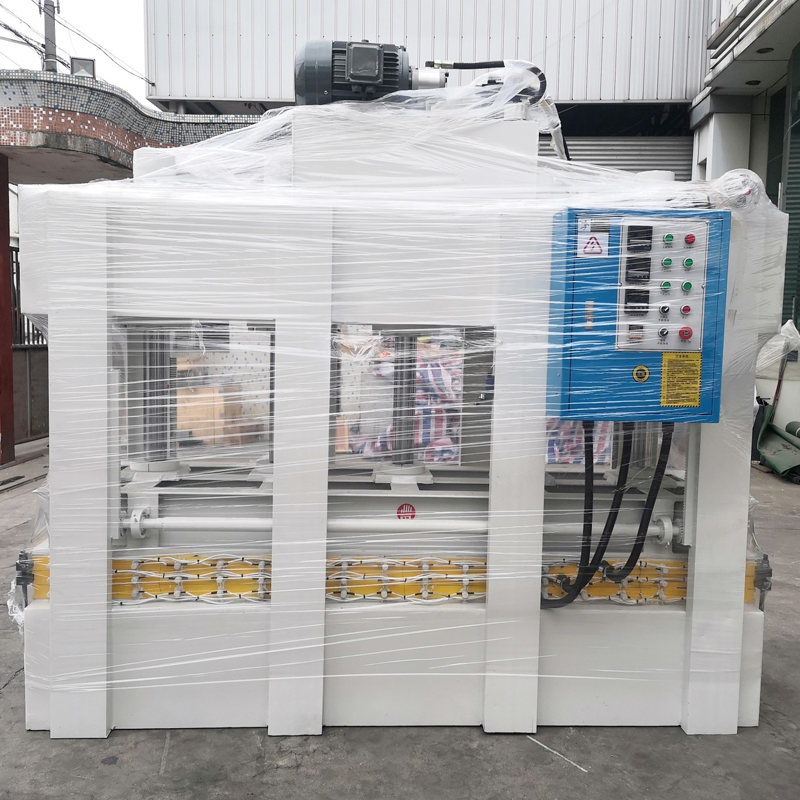
However, selecting the right production line involves much more than comparing equipment prices. Buyers must evaluate production capacity, automation level, raw material compatibility, process technology, operating costs, and long-term return on investment.
This comprehensive buyer’s guide explains everything you need to know before investing in an Aluminum Honeycomb Panel Line in 2026.
What Is an Aluminum Honeycomb Panel Line?
An Aluminum Honeycomb Panel Line is a complete manufacturing system designed to produce aluminum honeycomb composite panels. The line integrates multiple machines into a continuous production process, transforming aluminum coils, aluminum honeycomb cores, adhesives, and decorative surface materials into finished panels.
Depending on production requirements, a complete line may include:
- Aluminum coil feeding system
- Honeycomb core expansion machine
- Adhesive coating machine
- Laminating machine
- Hot press or continuous press
- Cooling section
- Panel trimming machine
- CNC cutting equipment
- Surface finishing equipment
- Automatic stacking system
- PLC intelligent control system
Modern production lines are highly automated, minimizing labor while ensuring consistent product quality.
Why Invest in an Aluminum Honeycomb Panel Line?
Global demand for lightweight composite panels continues to rise because industries are seeking materials that combine strength, durability, and reduced weight.
Typical application industries include:
- Building facades
- Curtain wall systems
- Interior decoration
- Airport terminals
- Railway stations
- Metro projects
- Shipbuilding
- Yacht interiors
- High-speed trains
- Commercial vehicles
- Clean rooms
- Elevator decoration
- Furniture manufacturing
- Industrial equipment
An advanced production line enables manufacturers to supply these markets efficiently while maintaining competitive production costs.
Key Machines in the Production Line
A modern Aluminum Honeycomb Panel Line consists of several specialized machines.
Honeycomb Core Expansion Machine
This equipment expands compressed aluminum honeycomb blocks into uniform honeycomb cores with precise cell geometry.
Adhesive Coating Machine
High-precision rollers evenly apply adhesive onto aluminum sheets or honeycomb cores, ensuring reliable bonding strength.
Laminating Machine
The laminating system accurately aligns aluminum skins with the honeycomb core before pressing.
Hot Press Machine
The hot press cures the adhesive under controlled temperature and pressure, producing strong and durable sandwich panels.
CNC Cutting Machine
Finished panels are trimmed and cut into customer-specific dimensions with high precision.
Automatic Stacking System
Panels are automatically stacked, reducing manual handling and improving production efficiency.
Production Process
A standard manufacturing workflow includes:
- Aluminum coil preparation
- Honeycomb core expansion
- Surface cleaning
- Adhesive application
- Core positioning
- Panel lamination
- Hot pressing
- Cooling
- Edge trimming
- CNC cutting
- Surface inspection
- Packaging
Automation ensures every production stage is synchronized to maximize efficiency.
Important Technical Specifications
Before purchasing a production line, buyers should evaluate the following parameters.
| Item | Typical Range |
|---|---|
| Panel Width | 600–2000 mm |
| Panel Length | Up to 6000 mm |
| Panel Thickness | 6–100 mm |
| Aluminum Skin Thickness | 0.5–3.0 mm |
| Honeycomb Cell Size | 4–25 mm |
| Production Speed | 3–15 m/min |
| Pressing Temperature | 80–180°C |
| Control System | PLC + Touch Screen |
| Automation Level | Semi or Fully Automatic |
| Power Supply | Customized |
The final specifications depend on product type and production requirements.
How to Choose the Right Production Capacity
Production capacity should match your target market.
Small Factory
- Suitable for startups
- Lower investment
- Flexible production
- Capacity: 200–500 panels/day
Medium Factory
- Stable customer base
- Moderate automation
- Capacity: 500–1,500 panels/day
Large Factory
- Fully automated production
- Multiple shifts
- Capacity exceeding 3,000 panels/day
Choosing excessive capacity may increase investment costs, while insufficient capacity may limit future business growth.
Factors Affecting Production Quality
High-quality aluminum honeycomb panels depend on more than advanced machinery.
Critical factors include:
- Aluminum alloy quality
- Honeycomb core precision
- Adhesive performance
- Pressing pressure
- Temperature control
- Surface cleanliness
- Operator experience
- Machine calibration
Manufacturers using automatic control systems generally achieve higher product consistency.
Automation Trends in 2026
The latest Aluminum Honeycomb Panel Lines incorporate intelligent manufacturing technologies such as:
- PLC automation
- Servo motion control
- Automatic thickness adjustment
- Laser positioning
- Online defect detection
- Machine vision inspection
- Barcode tracking
- Production data management
- Remote diagnostics
- Predictive maintenance
These technologies reduce downtime while improving production efficiency and product quality.
Maintenance Requirements
Regular maintenance is essential for long-term equipment reliability.
Recommended maintenance includes:
- Daily cleaning of rollers and conveyors
- Lubrication of moving components
- Inspection of hydraulic systems
- Calibration of pressure sensors
- Adhesive system cleaning
- Electrical cabinet inspection
- PLC software updates
- Replacement of worn seals and bearings
Preventive maintenance significantly extends equipment service life.
Investment and Return on Investment
The total investment depends on automation level, production capacity, and optional equipment.
Typical investment includes:
- Production line equipment
- Factory building
- Electrical installation
- Air compressor system
- Material handling equipment
- Worker training
- Initial raw materials
Although the initial investment can be substantial, manufacturers often benefit from:
- Lower labor costs
- Reduced material waste
- Higher production efficiency
- Improved product consistency
- Greater production flexibility
- Faster order delivery
- Increased profitability
For companies serving the architectural, transportation, and industrial sectors, the return on investment can be highly attractive when production capacity is well utilized.
Questions to Ask Before Purchasing
Before signing a contract, consider asking your supplier:
- What production capacity is guaranteed?
- Which aluminum thicknesses are supported?
- What adhesive systems are compatible?
- Is technical installation included?
- How long is operator training?
- What is the warranty period?
- Are spare parts readily available?
- Does the supplier provide remote technical support?
- Can the production line be upgraded in the future?
- Are CE or other international certifications available?
These questions help reduce purchasing risks and ensure long-term operational success.
Conclusion
Investing in an Aluminum Honeycomb Panel Line is a strategic decision that can significantly enhance manufacturing capability and competitiveness. The right production line should deliver high efficiency, reliable product quality, scalable capacity, and intelligent automation while minimizing operating costs.
Rather than focusing solely on the purchase price, evaluate the supplier’s engineering expertise, after-sales service, customization capabilities, and long-term technical support. A well-designed production line will not only meet today’s production requirements but also provide the flexibility to adapt to future market demands.
As global demand for lightweight, fire-resistant, and sustainable composite materials continues to expand, manufacturers equipped with advanced Aluminum Honeycomb Panel Lines will be well positioned to seize new business opportunities and achieve sustainable growth in 2026 and beyond.